Russian investigators said on December 22, 2025, that a senior military officer, Lieutenant General Fanil Sarvarov, was killed in Moscow after an explosive device detonated beneath his vehicle in what authorities described as a targeted assassination.
According to the Investigative Committee of Russia, the explosion occurred in the southern part of the capital during the morning hours as Sarvarov was approaching or entering his car. He was killed instantly. Several nearby vehicles were damaged, and the blast prompted a rapid security response, including the temporary closure of surrounding streets and the deployment of forensic teams. Officials did not disclose details about the type of explosive used or how it had been planted, citing the ongoing investigation. A criminal case has been opened on charges of murder.
The Kremlin said President Vladimir Putin was briefed shortly after the incident. Kremlin spokesperson Dmitry Peskov condemned the attack and said law enforcement agencies had been instructed to conduct a thorough investigation. Russian media later reported heightened security measures in parts of Moscow, particularly near government and military facilities.
Lieutenant General Fanil Sarvarov was a career officer who served in senior command and planning roles within the Russian Armed Forces. At the time of his death, he was considered part of the upper tier of Russia’s military leadership, making the killing one of the most serious security breaches in the capital since the start of the war in Ukraine.
The attack comes amid heightened internal security concerns in Russia more than three years into the conflict. Since 2022, Russian authorities have accused Ukrainian intelligence services of carrying out sabotage and targeted killings on Russian territory, particularly against figures linked to the military or defense sector. Ukrainian officials have generally avoided direct acknowledgment of such operations, while maintaining that Russia’s military leadership and infrastructure are legitimate targets in the context of an ongoing war.
Sarvarov’s death has drawn comparisons to earlier high-profile assassinations. In December 2024, Lieutenant General Igor Kirillov, head of Russia’s Radiological, Chemical and Biological Protection Troops, was killed in Moscow when an explosive device concealed in an electric scooter detonated outside a residential building. That attack was later claimed by Ukraine’s Security Service, which described Kirillov as directly involved in activities tied to Russia’s war effort. Kirillov had been a prominent public figure, frequently accusing Ukraine and Western countries of operating clandestine biological laboratories and using prohibited weapons, claims dismissed by Kyiv and international observers. He was sanctioned by the United Kingdom in October 2024 over allegations related to chemical weapons activity.
The December 2025 car bombing has also revived memories of earlier politically motivated attacks in Russia, including the August 2022 killing of Darya Dugina, the daughter of nationalist ideologue Alexander Dugin, who died when a bomb attached to her car exploded outside Moscow. While the circumstances and targets differ, the accumulation of such incidents has challenged the perception that the Russian capital is insulated from violence linked to the war.
International reaction to the killing was muted. Western officials largely refrained from commenting directly, reiterating general calls for restraint and warning against further escalation. Analysts noted that while assassinations of senior figures carry symbolic weight, they also increase the risk of retaliation and further destabilization.
As the war in Ukraine continues, the killing of a senior general inside Moscow underscores how the conflict is increasingly blurring the line between the battlefield and the home front. For Russian authorities, it highlights persistent vulnerabilities in domestic security. For the wider international community, it serves as another reminder that the repercussions of the war extend well beyond the front lines, with consequences that are becoming harder to contain.
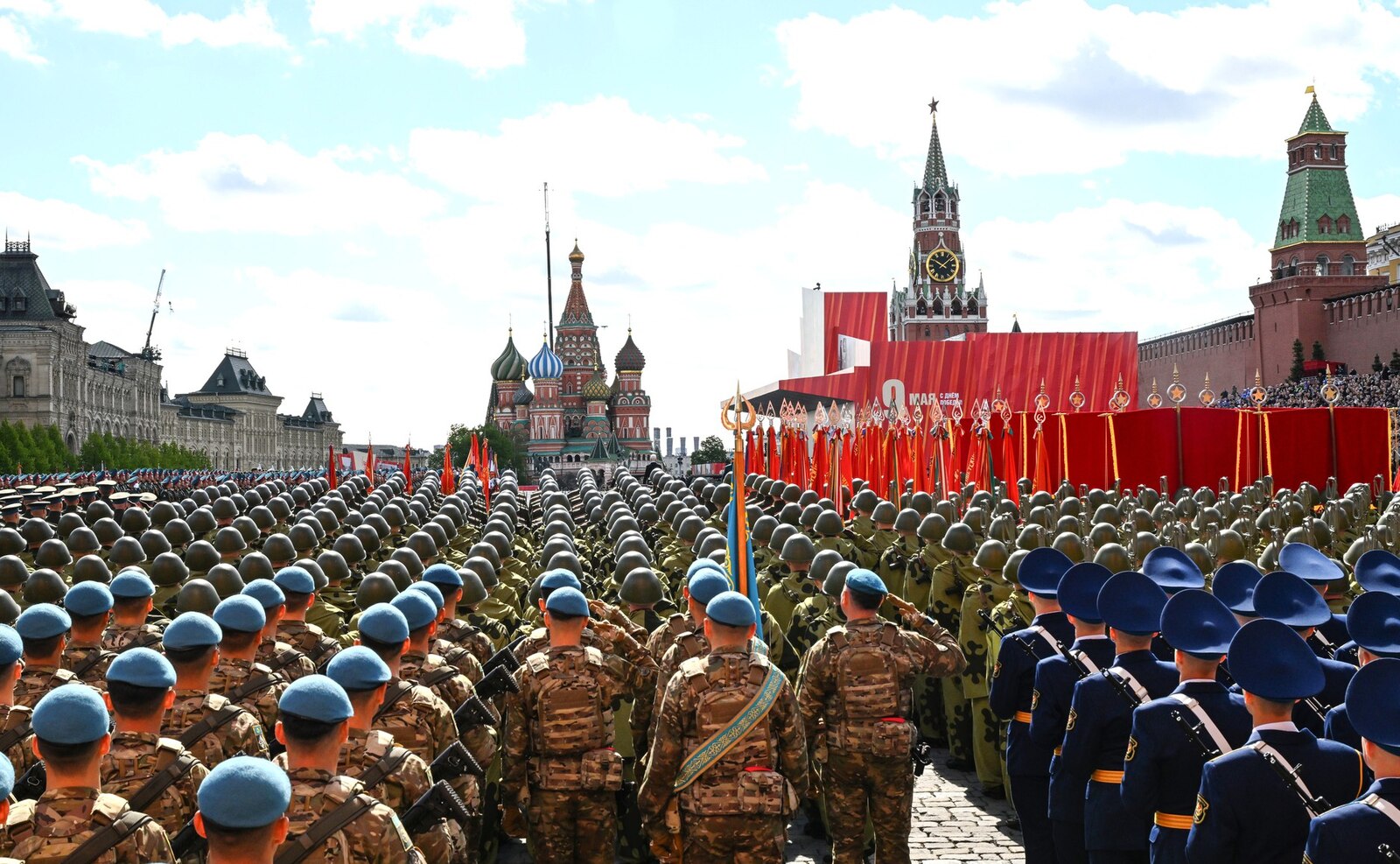
Image is licensed under the Creative Commons Attribution 4.0 License and was created by kremlin.ru.