A Russian oil tanker’s arrival in Cuba has drawn international attention, highlighting shifting dynamics among Russia, the United States, and the Caribbean island as it faces a deepening energy crisis. The vessel, identified as the Anatoly Kolodkin, delivered roughly 100000 tons of crude oil, offering temporary relief to a country that has struggled for months with severe fuel shortages.
The Kremlin framed the shipment as humanitarian support. Spokesman Dmitry Peskov said Moscow views assistance to Cuba as part of its responsibility, especially in light of what Russian officials describe as a United States imposed oil blockade. The delivery comes as Cuba’s access to long standing energy partners has been reduced, leaving the island under pressure to maintain electricity and essential services.
At the same time, United States President Donald Trump indicated a change in approach toward such shipments. Speaking aboard Air Force One, he said he was comfortable with other countries providing oil to Cuba, including Russia. This stance differs from earlier warnings about imposing tariffs on nations that sent fuel to the island. Trump suggested humanitarian concerns were a factor, noting that Cuban citizens depend on energy for basic daily needs, even as he continued to criticize the country’s leadership.
Cuba’s energy crisis has been intensifying since early January, when the United States moved against Venezuelan leader Nicolás Maduro, cutting off a primary source of subsidized oil for Havana. For years, Venezuela had served as Cuba’s main supplier, allowing the island to function despite limited domestic production. With those shipments halted and additional pressure placed on other exporters such as Mexico, fuel supplies declined rapidly.
President Miguel Díaz Canel has said that Cuba went more than three months without receiving oil shipments. The consequences have been severe, with widespread blackouts, strict gasoline rationing, and growing strain on public services. Hospitals have faced increasing difficulty maintaining critical care, according to international observers.
The arrival of the Russian tanker provides short term relief but does not resolve deeper structural challenges. Analysts suggest the cargo may cover only a few weeks of demand, depending on how tightly fuel is rationed. Cuba has tried to adapt by expanding renewable energy efforts, including solar power, though these projects require time to develop.
From a geopolitical perspective, the situation reflects a careful balancing act. While Washington has allowed this shipment to proceed, officials remain cautious about raising tensions with Moscow. Attempting to block the tanker could have increased the risk of confrontation during an already tense global environment.
For Russia, the delivery signals continued interest in maintaining ties with Cuba, particularly as its influence in other regions evolves. For the United States, allowing the shipment suggests a practical approach that weighs humanitarian needs alongside political goals.
As Cuba navigates ongoing shortages, the episode shows how energy supply, foreign policy, and domestic stability remain closely connected. The tanker’s arrival may ease immediate pressure, but the island’s long term outlook will depend on securing more reliable fuel sources or developing sustainable alternatives.
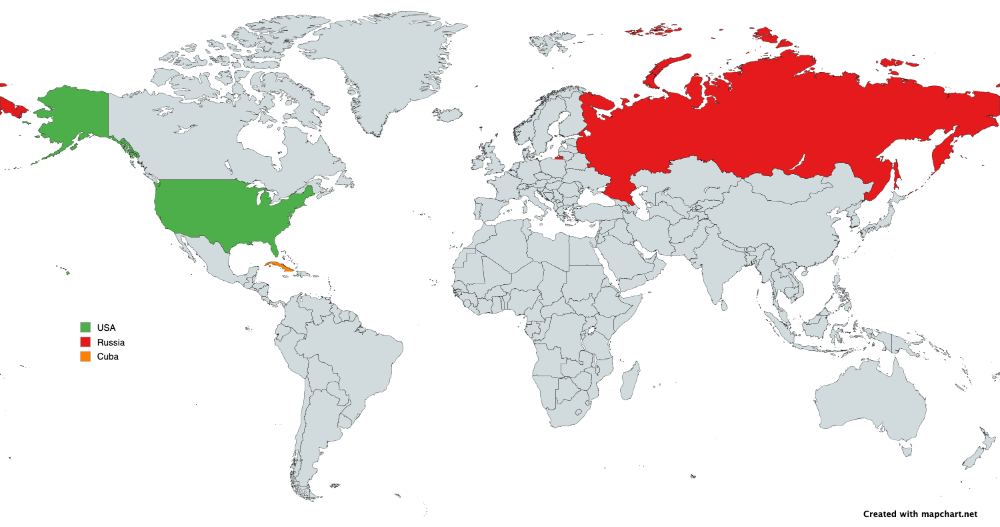
USA = Green
Russia = Red
Cuba = Orange
Image is licensed under the Creative Commons Attribution-Share Alike 4.0 International license and was created using MapChart (https://mapchart.net).