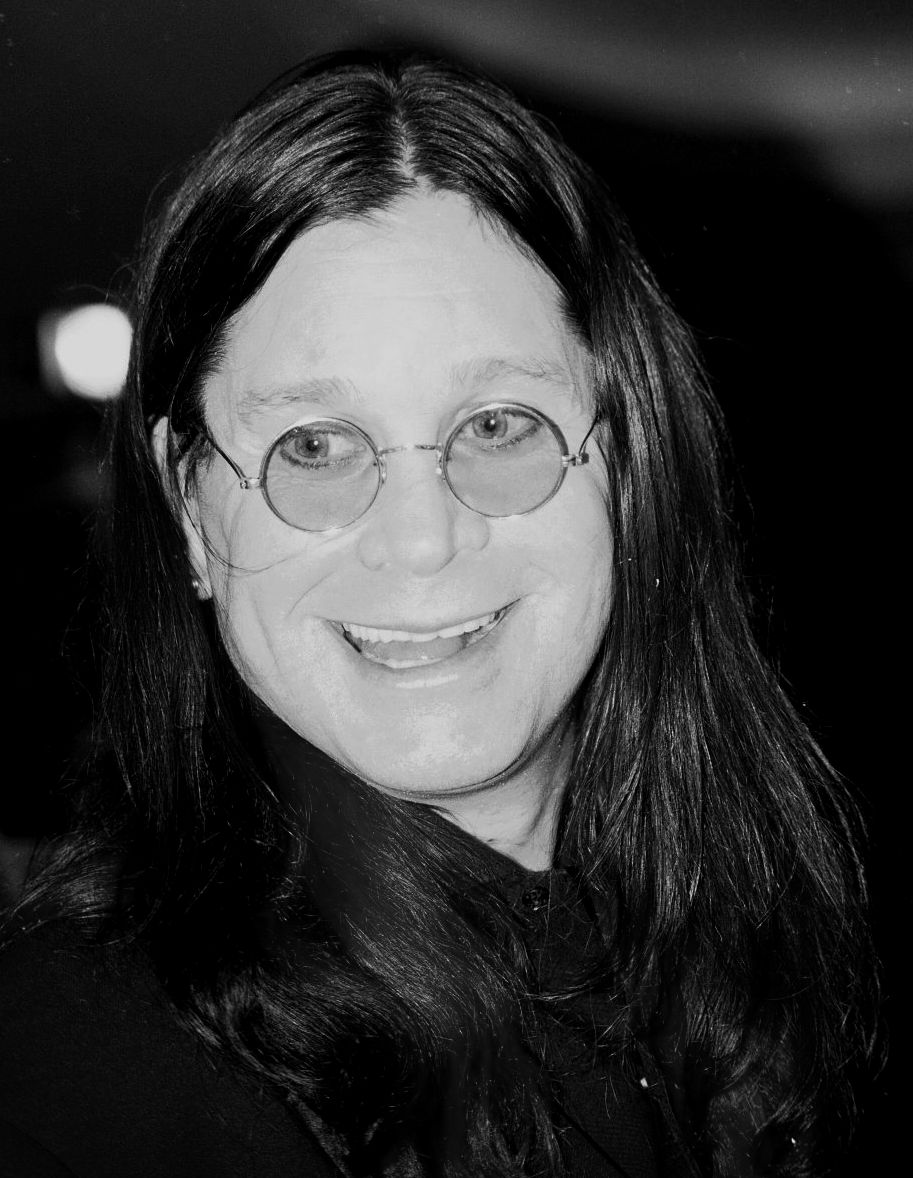
Ozzy Osbourne, the voice behind Black Sabbath and one of rock’s most recognizable figures, has passed away at the age of 76. Surrounded by family, Osbourne died after a prolonged battle with Parkinson’s disease, bringing to an end a career that spanned more than five decades and left an indelible mark on music, television, and popular culture.
Born John Michael Osbourne in Birmingham, England, in 1948, he rose from a working-class background to help form Black Sabbath in the late 1960s. The band’s dark, churning sound laid the foundation for heavy metal and delivered enduring tracks like “Paranoid,” “Iron Man,” and “War Pigs.” Osbourne’s distinct voice and stage presence became central to the band’s identity.
After being dismissed from Black Sabbath in 1979 due to his substance use and erratic behavior, Osbourne launched a solo career that not only matched but often surpassed his earlier success. His debut solo album Blizzard of Ozz introduced classics like “Crazy Train” and featured the virtuosic guitar work of Randy Rhoads. Despite personal losses—including Rhoads’ tragic death—Osbourne continued to produce influential music well into the 1990s and beyond, teaming with musicians like Zakk Wylde and Lita Ford.
Osbourne’s impact wasn’t limited to music. In the early 2000s, he and his family became reality television stars with The Osbournes, a raw and often chaotic portrayal of life inside a rock star’s home. The show turned Osbourne into a pop culture figure far beyond the metal scene. He became a household name not just for his music but for his candid, unfiltered personality.
Throughout his life, Osbourne was no stranger to controversy. Incidents such as biting the head off a bat on stage or urinating on a Texas monument fueled a reputation as unpredictable and wild. He was also open about his long struggles with addiction, legal issues, and health setbacks. His marriage to Sharon Osbourne, marked by conflict and reconciliation, became a central chapter in his public life.
Despite frequent reports of retirement, Osbourne continued to return to the stage. In 2022, he made a surprise appearance to close the Commonwealth Games in Birmingham. Just weeks before his death, he performed at Black Sabbath’s final reunion show in his hometown—a fitting final appearance for an artist who never strayed far from his roots.
Osbourne released 12 solo studio albums and sold over 100 million records as a solo artist and with Black Sabbath. His accolades include induction into both the Rock & Roll and UK Music Halls of Fame, five Grammy Awards, and a star on the Hollywood Walk of Fame.
He is survived by his wife Sharon, their children Aimee, Kelly, and Jack, as well as his children Jessica and Louis from a previous marriage. His legacy is one of influence, resilience, and an unwavering connection to the fans who followed him across generations.
Image is licensed under the Creative Commons Attribution-Share Alike 2.0 Generic license and was created by John Mathew Smith & www.celebrity-photos.com from Laurel Maryland, USA.