Lowe’s Home Centers LLC has agreed to a nationwide settlement with the U.S. Department of Justice and the Environmental Protection Agency after federal investigators found widespread failures in the company’s handling of renovation projects involving lead-based paint. The agreement includes a $12.5 million penalty and requires Lowe’s to overhaul its compliance program to ensure safer renovation practices in homes built before 1978, when lead-based paint was banned for residential use.
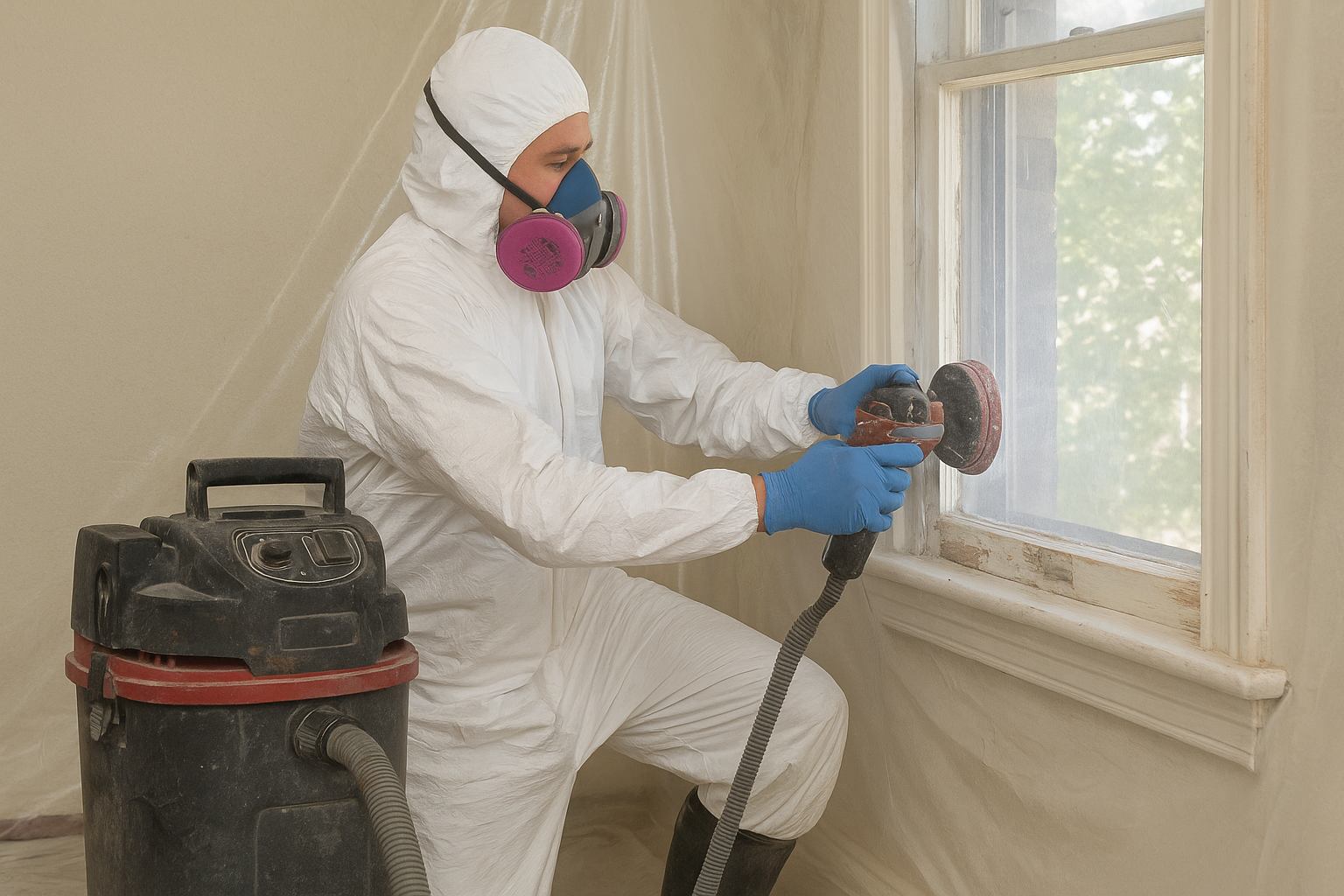
According to federal officials, the case centers on renovation work completed by Lowe’s contractors between 2019 and 2021 at hundreds of homes across more than twenty states. Investigators found recurring problems in projects where old paint was disturbed, including inadequate containment of dust, failure to warn residents of possible hazards, and use of installers who were not properly certified under federal rules. These lapses were found to violate the EPA’s Lead Renovation, Repair and Painting (RRP) rule, which governs renovation work in older housing in order to limit exposure to lead dust and paint chips.
The EPA also noted that Lowe’s had previously reached a settlement with the agency in 2014 over similar concerns. As part of that earlier agreement, the company was required to submit periodic compliance reports. Some of the issues uncovered in the new case stemmed from problems Lowe’s itself disclosed through those reports. Additional concerns surfaced after the agency responded to a tip from a member of the public regarding door replacements and other renovation work in Southern and Central California.
Federal officials emphasized the health risks associated with lead exposure, especially for children. When old paint deteriorates or is disturbed during repair work, it can produce dust that is easily inhaled or ingested. Lead exposure can cause a range of health issues, including developmental delays, learning problems, seizures, and other serious medical complications. Although lead-based paint has been banned for decades, it remains present in millions of older homes, making safe renovation practices essential.
Adam Gustafson, principal deputy assistant attorney general for the Justice Department’s Environment and Natural Resources Division, said the penalty reflects the government’s view of the dangers involved. He noted that contractors working in older homes must be certified because they are trained to identify and prevent hazards that occur when old paint is disturbed. Craig Pritzlaff, acting assistant administrator of the EPA’s enforcement office, added that families—particularly young children and infants—can be put at risk when renovation crews fail to follow federal standards.
Lowe’s denied wrongdoing as part of the settlement but agreed to adopt a strengthened, corporate-wide program aimed at ensuring that all firms and installers performing renovation work are properly qualified. The program will require improved oversight, better documentation, and verified use of lead-safe methods during projects that may disrupt old paint.
The consent decree has been filed in federal court in the Central District of California and will undergo a 30-day public comment period before final approval.
This image is the property of The New Dispatch LLC and is not licenseable for external use without explicit written permission.