After almost two decades of stop-start negotiations, India and the European Union have agreed on a wide-ranging free trade agreement that aims to reshape economic ties between two of the world’s largest markets. The deal brings together the 27-member EU and the world’s most populous country at a time when global trade patterns are under strain from rising tariffs and geopolitical frictions.
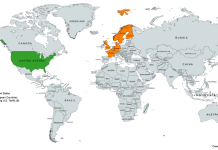
Leaders on both sides framed the agreement as a response to growing uncertainty in the global trading system, particularly pressure from the United States. Washington’s use of steep import duties on both India and European goods has disrupted established supply chains and encouraged major economies to look for alternative partners. Against this backdrop, New Delhi and Brussels moved to finalize a deal that had been under discussion since talks first began in 2007.
At its core, the agreement will allow near-total free trade in goods between India and the EU. Tariffs will be reduced or removed on a wide range of products, from textiles, apparel and leather goods to machinery, chemicals and pharmaceuticals. India has agreed to lower duties on 96.6% of EU exports, while the bloc will phase in similar concessions that will eventually cover almost all Indian shipments by trade value.
Some of the most closely watched changes involve automobiles and alcohol. Import taxes on EU-made cars, which currently stand as high as 110%, will be gradually reduced to as low as 10% under a quota system, while car parts will see duties eliminated over time. Tariffs on European wine will fall sharply for premium products, offering new opportunities for exporters that have long viewed the Indian market as difficult to access.
India, however, has drawn clear lines around sensitive sectors. Dairy products such as milk and cheese, along with cereals, have been kept outside the deal to protect domestic producers. The EU, for its part, has excluded Indian sugar, meat and poultry from tariff concessions. These carve-outs reflect political realities on both sides and underline the balancing act involved in reaching the agreement.
Beyond trade in goods, the pact includes provisions aimed at deepening cooperation in other areas. A framework for defense and security collaboration has been agreed, covering issues such as maritime security, cyber threats and supply chain resilience. There is also a mobility arrangement designed to make it easier for skilled professionals and students to move between India and Europe in the short term, signaling that the partnership extends beyond commerce alone.
Economically, officials expect the deal to cut billions of euros in annual tariffs and help integrate supply chains more closely. For India, it offers a way to diversify export destinations at a moment when U.S. tariffs on Indian goods have climbed to 50%. Labor-intensive sectors such as textiles, gems and jewelry, marine products and handicrafts are seen as likely beneficiaries. For the EU, the agreement provides expanded access to a fast-growing economy and a chance to reduce reliance on more volatile markets.
Trade between India and the EU reached about $136.5 billion in 2024–25, and both sides have set a goal of pushing that figure toward $200 billion by 2030. The agreement still needs to be legally finalized and ratified by the European Parliament and member states, with formal signing expected later this year. If implemented as planned, it will create a new commercial corridor linking two major economies at a time when global trade is becoming increasingly fragmented.
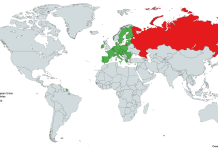
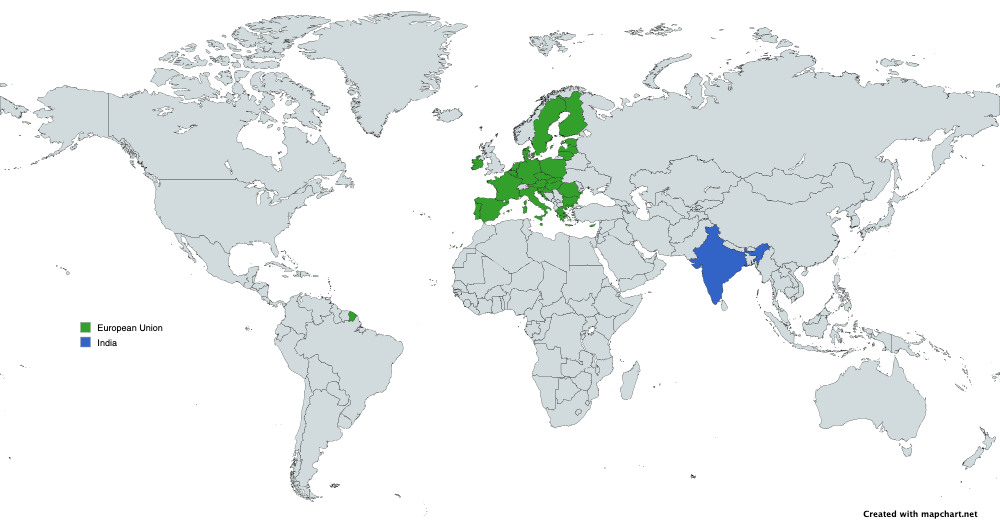
European Union(EU) = Green
India = Blue
Image is licensed under the Creative Commons Attribution-Share Alike 4.0 International license and was created using MapChart (https://mapchart.net).