Round 1 of the 2026 NFL Draft in Pittsburgh felt lively from the opening minute. There were expected picks, surprising picks, and several moves that showed which front offices are willing to act boldly. Some teams chased immediate help. Others planned for the future. By the end of the night, a few franchises looked far better positioned than they did at the start.
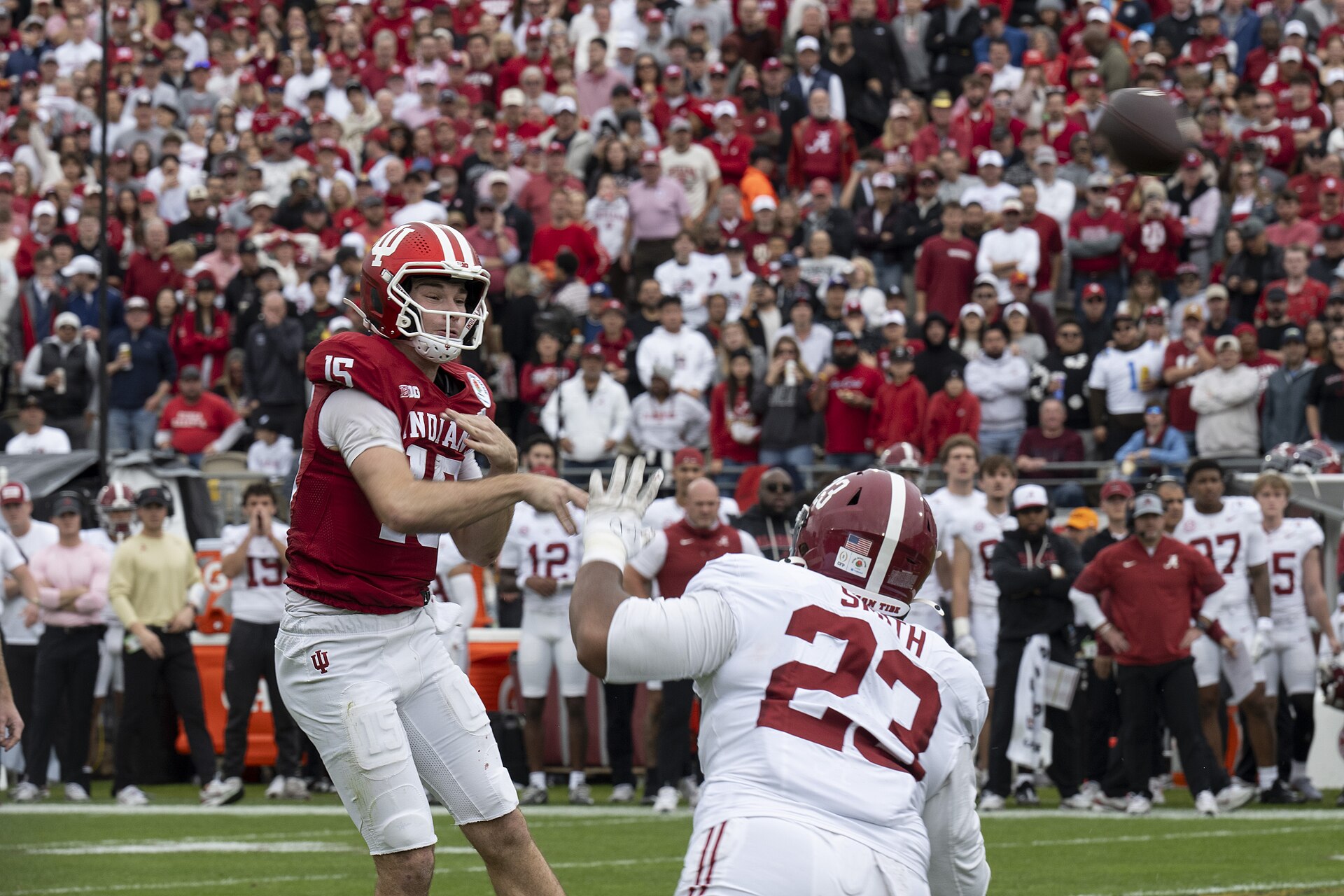
The Raiders opened the draft by selecting Indiana quarterback Fernando Mendoza with the first overall pick. Once the pre-draft process gained momentum, Mendoza increasingly looked like the favorite to go first. He has the arm talent teams want, but just as important, he appears steady under pressure. Las Vegas has spent years searching for long-term answers at quarterback. The organization is betting that search is over.
The Jets made it clear they were not interested in a quiet night. They used the second pick on Texas Tech edge rusher David Bailey, one of the most dangerous pass rushers in the class. Bailey should help immediately because pressure off the edge translates quickly in the NFL. New York later added Oregon tight end Kenyon Sadiq, then moved back into the first round for Indiana wide receiver Omar Cooper Jr. Three first-round additions in one night says plenty about the team’s mindset. The Jets are trying to win now, not later.
Arizona delivered one of the biggest surprises early by selecting Notre Dame running back Jeremiyah Love at No. 3. Running backs simply do not go that high very often anymore. That alone made the pick notable. Love must be viewed internally as far more than a traditional ball carrier. He can catch passes, create space on his own, and change games with speed. The Cardinals clearly believe he can become one of the centerpieces of their offense.
Tennessee added Ohio State wide receiver Carnell Tate with the fourth pick. Tate is viewed as a polished prospect who should transition smoothly to the pro game. Later in the night, the Titans came back into the first round to select Auburn edge rusher Keldric Faulk. That is the kind of balanced opening round teams hope for. Tennessee added one player who can help its offense and another who can pressure quarterbacks.
The Giants took a practical approach with their two first-round selections. First came Ohio State defender Arvell Reese, a versatile front-seven player who can line up in multiple spots. Later they selected Miami tackle Francis Mauigoa, a move that could prove just as important. New York needed help in the trenches, and this draft gave them exactly that. It may not have produced the loudest reaction, but it made sense.
Several teams chose to strengthen their defenses. Washington selected linebacker Sonny Styles, another Ohio State product with range and versatility. Dallas moved up to land safety Caleb Downs, one of the most dependable defensive prospects available. Downs was widely seen as a player ready to contribute quickly, which made the Cowboys’ decision easy to understand.
One of the more interesting quarterback picks came from Los Angeles. The Rams selected Alabama quarterback Ty Simpson at No. 13 despite still having Matthew Stafford on the roster. Some teams wait too long to think about succession plans. The Rams decided not to wait. Simpson may sit for a while, but that does not make the pick any less important.
Trades also shaped much of the round. Some clubs paid to move up for players they strongly believed in. Others moved back and stockpiled picks. San Francisco stood out by trading out of the first round entirely, choosing flexibility instead of forcing a selection.
That was the real story of Day 1. Teams showed exactly how they want to build. Some chased stars. Some chased value. Some looked at the next season, while others looked three seasons ahead. If the rest of the draft follows the same pattern, there will be plenty more to discuss before the weekend ends.
Image is in the public domain and was created by Tech. Sgt. Anthony Hetlage.