Guatemala is facing an escalating security challenge after a surge of coordinated gang violence prompted President Bernardo Arévalo to impose a 30-day nationwide state of emergency. The move follows a volatile weekend that saw simultaneous prison unrest and deadly attacks on law enforcement, exposing the reach and coordination of criminal groups operating both inside detention facilities and beyond their walls.
The emergency decree, which came into force immediately but still awaits congressional approval, grants expanded authority to police and military forces. Under the measure, public demonstrations are limited and security personnel are allowed to detain and question individuals without prior judicial authorization. The government argues the temporary suspension of these rights is necessary to regain control and prevent further bloodshed.
The unrest began on Saturday when inmates affiliated with major gangs launched coordinated actions across three prisons near Guatemala City. Dozens of guards and staff members were taken captive after authorities attempted to curb privileges previously enjoyed by incarcerated gang leaders. Among those affected by the new restrictions was Aldo Duppie, an alleged leader of the Barrio 18 gang, widely known by the alias “El Lobo.”
Officials said a total of 46 people, including guards and medical personnel, were held during the standoff. The hostage-taking was intended to pressure authorities into reversing recent transfers and easing security measures imposed on senior gang figures.
Before dawn on Sunday, joint units from the police and armed forces carried out rapid operations to reassert control over the facilities. The most complex action took place at the Renovación I maximum-security prison in Escuintla, where armoured vehicles and tear gas were used to clear cellblocks and free captives. Similar operations later secured the remaining prisons. Authorities reported that all hostages were released without fatalities during the raids.
Photographs later circulated by officials showed Duppie under heavy guard following the operation, reinforcing the government’s claim that gang leaders would not be shielded from tougher enforcement.
The restoration of order inside the prisons was quickly followed by violence elsewhere. On Sunday, police patrols in the capital and nearby districts were targeted in a series of shootings and ambushes. Authorities confirmed that at least seven police officers lost their lives and ten others were wounded. One suspected gang member was also reported killed during the clashes.
Interior Minister Marco Antonio Villeda described the attacks as deliberate retaliation aimed at deterring state action. President Arévalo, addressing the nation, said the violence was intended to frighten both security forces and the public. He announced three days of mourning for the fallen officers and pledged that the government would not retreat from its campaign against organised crime.
Defence Minister Henry Sáenz said military units would remain deployed alongside police as long as necessary. Schools were temporarily closed, and foreign missions, including the US Embassy, advised staff to limit movement during the height of the crisis.
Gang violence has long troubled Guatemala, with Barrio 18 and Mara Salvatrucha playing central roles in extortion, trafficking and intimidation. Both groups have been labelled terrorist organisations by Guatemala and the United States. With homicide rates still far above international norms and prisons repeatedly serving as command centres for criminal activity, the current emergency highlights the depth of the challenge facing the Arévalo administration as it seeks to restore order and public trust.
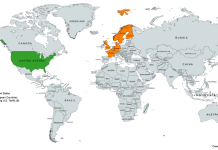
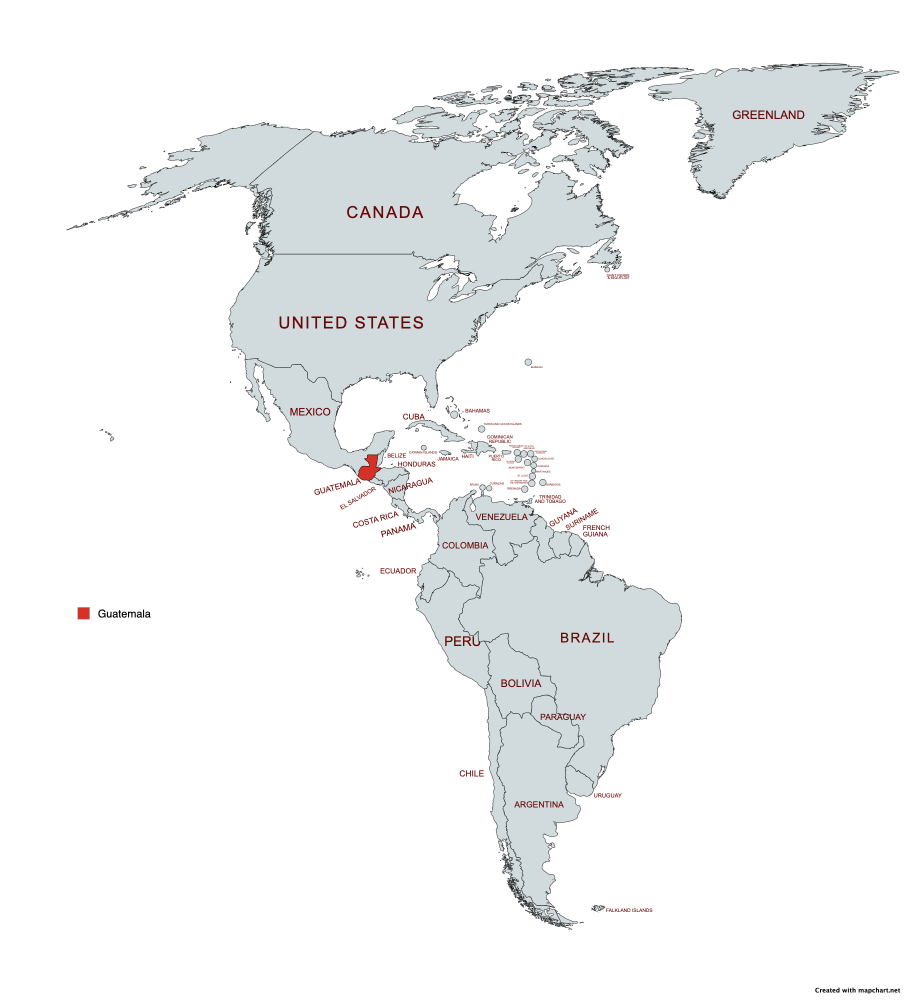
Guatemala = Orange
Image is licensed under the Creative Commons Attribution-Share Alike 4.0 International license and was created using MapChart (https://mapchart.net).