The U.S. Food and Drug Administration has opened applications for its new FDA PreCheck pilot program, an effort intended to encourage the expansion of pharmaceutical manufacturing within the United States. The initiative focuses on reducing uncertainty during the development of drug manufacturing sites while maintaining regulatory oversight designed to protect patients.
FDA PreCheck is aimed at companies that are building new drug manufacturing facilities or preparing to do so. The agency plans to select an initial group of facilities that best align with national priorities. These priorities include the type of medicines a facility will produce, how soon those products could be supplied to the U.S. market, the maturity of the construction project, and whether modern or advanced manufacturing concepts are being used. Facilities that plan to make medicines considered essential for U.S. patients will receive added consideration during the selection process.
The program is part of a broader federal push to reduce reliance on foreign drug production. In recent years, supply disruptions and geopolitical tensions have highlighted risks associated with overseas manufacturing. In response, President Donald Trump issued an executive order directing federal agencies to promote domestic drug manufacturing and remove regulatory obstacles that do not directly contribute to safety or quality. FDA PreCheck is intended to support that policy direction by offering companies earlier engagement with regulators as facilities are planned and built.
One of the core elements of PreCheck is its structured, step-by-step engagement model. In the early stage of the program, selected manufacturers can interact with FDA experts before a facility is operational. This early engagement allows companies to seek feedback on building design, equipment choices, and manufacturing layouts. By addressing potential regulatory issues at this stage, the FDA aims to prevent costly redesigns or delays later in the process.
As projects move closer to producing medicines, the program shifts toward preparing for a formal drug application. During this later stage, companies can meet with FDA staff in advance, discuss inspection readiness, and clarify expectations around manufacturing controls and quality systems. The goal is to ensure that when a product application is submitted, facility-related questions have already been addressed to the greatest extent possible.
FDA Commissioner Marty Makary has framed the program as one of several tools intended to make U.S.-based pharmaceutical manufacturing more competitive and durable. According to the agency, industry feedback strongly favored earlier communication with regulators and clearer guidance during facility development. Those views were incorporated into the design of PreCheck following public meetings and written comments from manufacturers.
The PreCheck initiative also fits alongside other FDA programs that reward alignment with national priorities. One such effort offers shorter review timelines for a limited number of medicines considered important for public health or national security. While these programs aim to move products through the system more efficiently, the FDA has emphasized that faster processes do not lessen the need for thorough evaluation.
Overall, FDA PreCheck represents a shift toward more proactive regulatory engagement. By working with manufacturers earlier and focusing attention on domestic production, the agency hopes to support a steadier U.S. drug supply while continuing to apply standards meant to ensure medicines are safe, effective, and consistently produced.
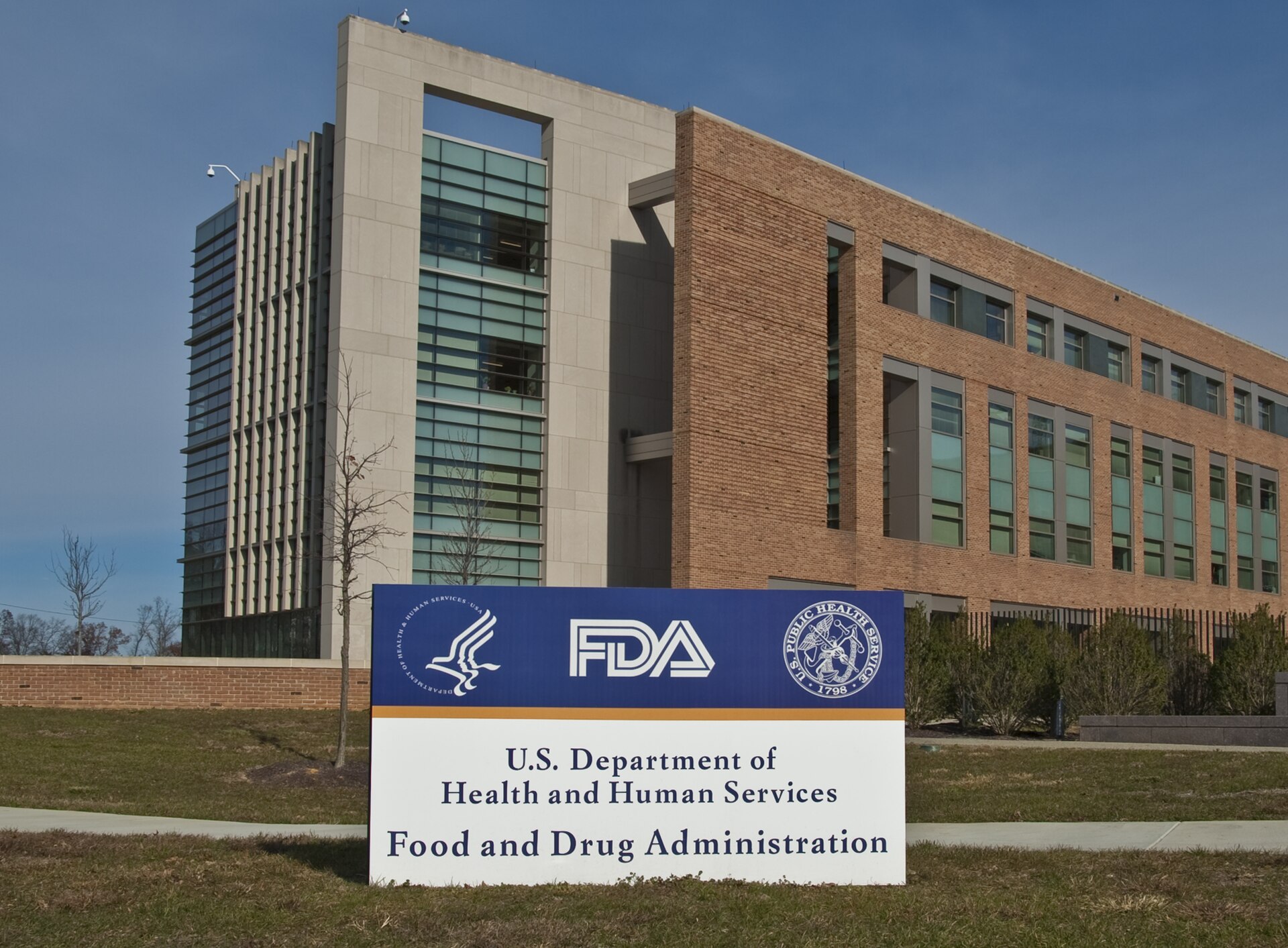
Image is in the public domain and was created by The U.S. Food and Drug Administration.