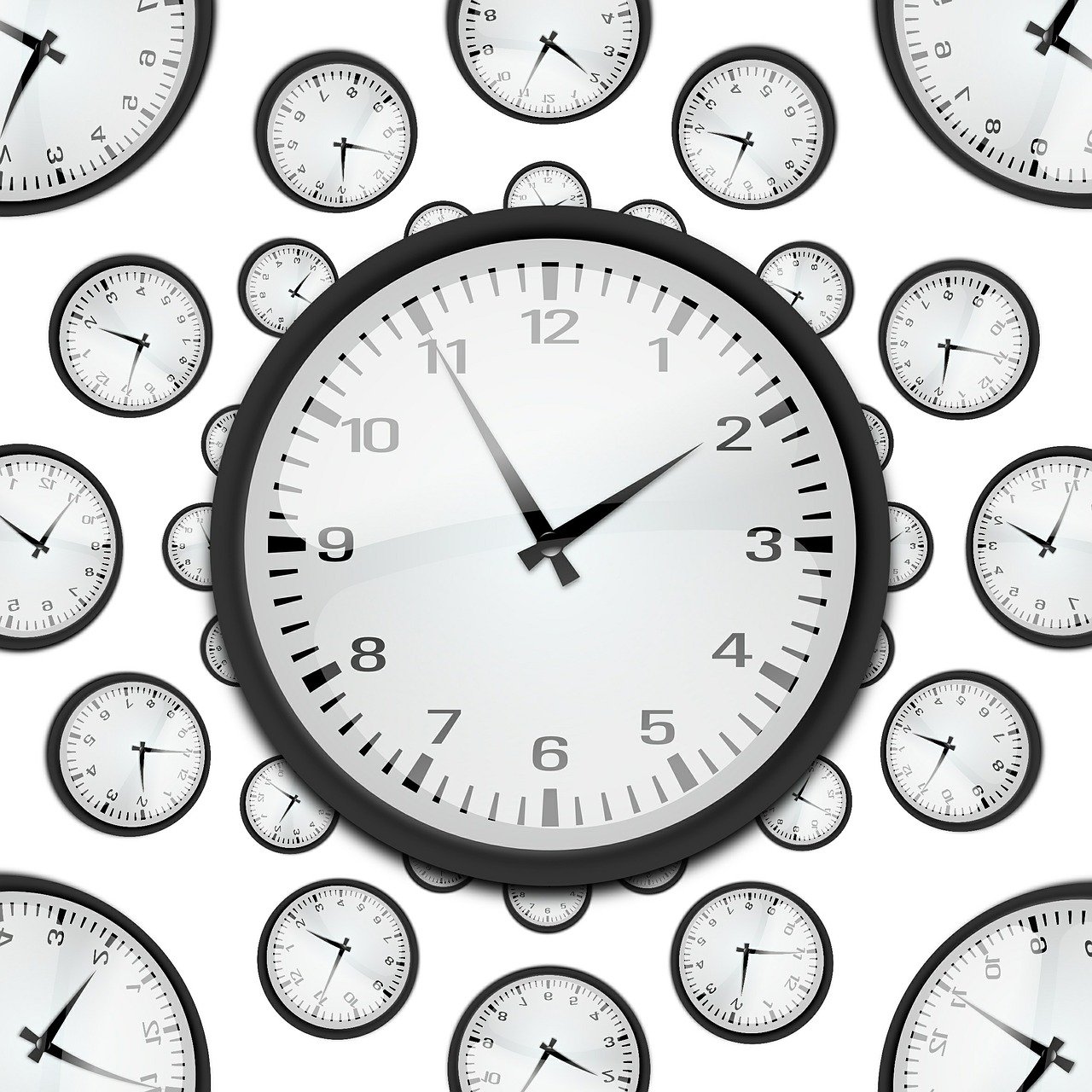
Each spring and fall Americans adjust their clocks by one hour, a routine known as Daylight Saving Time. The change shifts an hour of daylight from the morning to the evening during the warmer part of the year. In the United States the clocks move ahead on the second Sunday in March and return to standard time on the first Sunday in November. Although the practice now feels routine, its history includes decades of debate, experiments, and political compromise.
Ideas about changing daily schedules to better match daylight have circulated for centuries. In 1784 Benjamin Franklin jokingly suggested that people in Paris could save candles if they woke earlier in the morning. The first modern proposal for a clock adjustment came from New Zealand entomologist George Vernon Hudson. In 1895 he suggested moving clocks forward by two hours so that evening daylight would give him more time to collect insects after work.
The idea gained wider attention in 1907 when British builder William Willett published a pamphlet titled The Waste of Daylight. Willett argued that people were sleeping through valuable daylight hours in the morning. His proposal suggested advancing clocks by a total of eighty minutes in four gradual weekly steps each spring, then reversing the process in the autumn. British lawmakers debated the plan several times but did not adopt it before Willett died in 1915.
Daylight Saving Time was first adopted on a national scale during World War One. In 1916 Germany and Austria Hungary moved their clocks forward in an effort to conserve coal used for lighting. Several European countries soon followed.
The United States introduced the system through the Standard Time Act, which President Woodrow Wilson signed on March 19, 1918. The law also formally created the American time zone system. The first nationwide clock change occurred on March 31, 1918. Public opinion quickly turned against the policy once the war ended, and Congress repealed the daylight saving provision in 1919. After that decision communities were free to decide whether they would observe it, which created a confusing mix of schedules from one city to another.
The system returned during World War Two. On February 9, 1942 President Franklin D. Roosevelt ordered the country to follow year round daylight saving, which became known as War Time. The arrangement remained in place until September 30, 1945. After the war local governments again made their own decisions about whether to observe the time change.
By the mid twentieth century the lack of consistency created serious problems for transportation companies, broadcasters, and national businesses. To address the confusion Congress passed the Uniform Time Act in 1966. The law established a national schedule for daylight saving, beginning on the last Sunday in April and ending on the last Sunday in October. States were allowed to opt out of the system entirely. Hawaii and most of Arizona still choose to remain on standard time all year.
The energy crisis of the nineteen seventies prompted another experiment. In 1974 Congress temporarily adopted year round daylight saving in hopes that it would reduce fuel consumption. The policy quickly became unpopular because winter sunrises occurred very late in the morning. Concerns about children traveling to school before daylight led Congress to shorten the experiment, and seasonal clock changes returned the following year.
Congress later expanded the daylight saving period. In 1986 lawmakers moved the starting date to the first Sunday in April, extending the system by several weeks. The Energy Policy Act of 2005 lengthened it again by shifting the beginning to the second Sunday in March and the ending to the first Sunday in November. Those rules took effect in 2007 and remain the current national schedule.
The debate over Daylight Saving Time continues today. Supporters say lighter evenings can reduce crime, encourage recreation, and provide small energy savings. Critics point to sleep disruption, darker winter mornings, and research suggesting the energy benefits are limited.
Several states including California, Florida, and Georgia have approved legislation supporting permanent daylight saving, but those changes cannot take effect unless federal law is amended to allow it.
On March 8, 2026 Americans once again move their clocks forward by one hour as Daylight Saving Time begins for the year. The routine adjustment serves as a reminder that the policy, first proposed more than a century ago, remains both familiar and controversial. Whether the country continues changing its clocks twice a year or eventually adopts a permanent system remains an open question.
Image is in the public domain and is licensed under the Pixabay Content License.