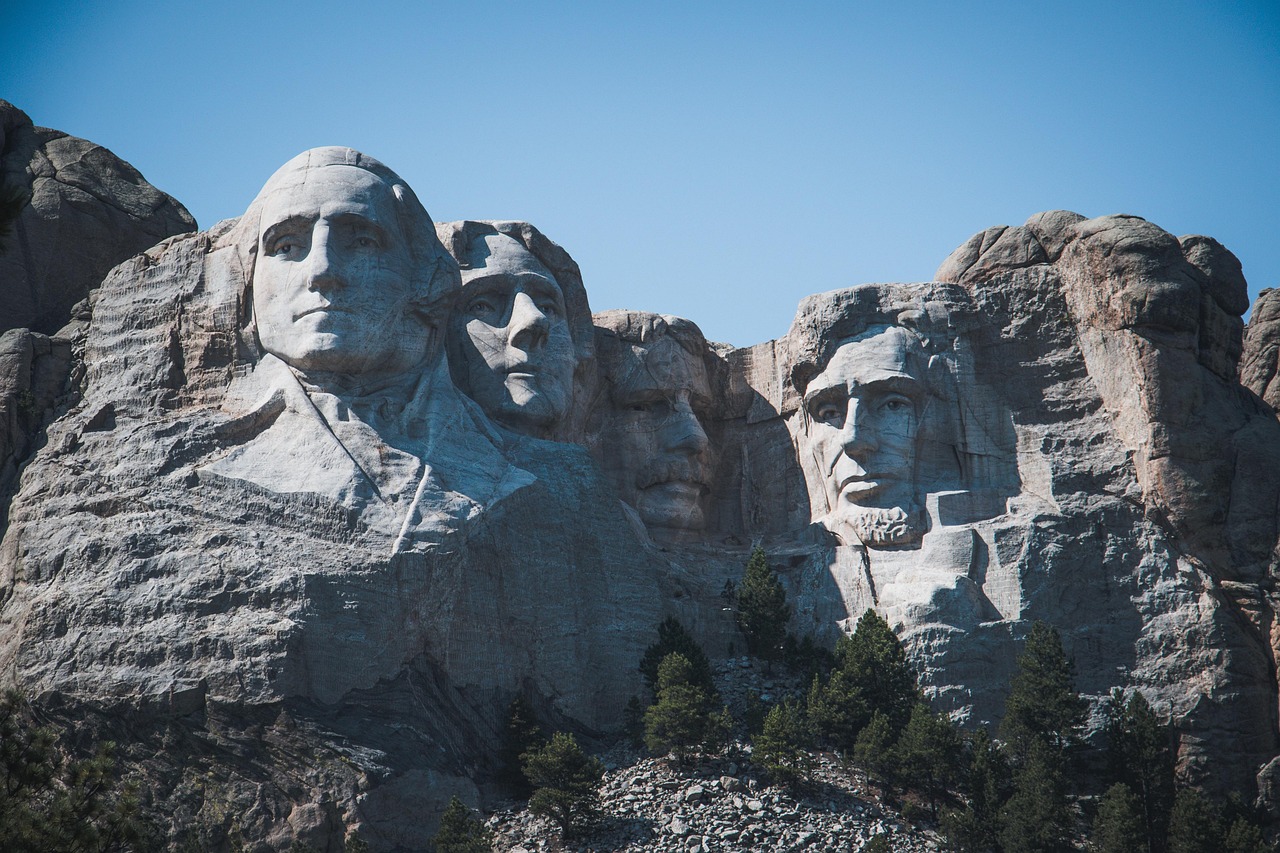
On Monday, February 16, 2026, the United States observes the federal holiday commonly known as Presidents Day. In federal law, the holiday is still officially titled Washington’s Birthday. Although it began as a day set aside to honor George Washington, public understanding of the holiday has expanded over time to include recognition of many American presidents.
The first step toward creating the holiday came in 1879, when Congress designated February 22, Washington’s birth date, as a paid holiday for federal employees working in the District of Columbia. Several years later, in 1885, the observance was extended to federal workers throughout the country. By that point, Washington’s birthday was already marked in many communities through ceremonies, speeches, and school activities, reflecting the deep respect that had followed his death in 1799.
For decades, the holiday was observed on February 22 itself. That changed near the end of the twentieth century when Congress approved a law that reorganized the federal holiday calendar. The measure shifted a number of observances to Mondays with the goal of giving workers more consistent long weekends. The new schedule took effect in 1971, placing Washington’s Birthday on the third Monday in February each year.
There were discussions at the time about creating a holiday that would also recognize Abraham Lincoln, whose birthday falls on February 12. Even so, Congress never adopted a new official name. At the national level, the holiday remains Washington’s Birthday. Over time, though, the name Presidents Day became widely used by states, schools, and businesses. Advertising campaigns and retail promotions helped make the newer name familiar to the public, and it is now the term most Americans use in everyday conversation.
Observance of the day varies across the country. Some states still use the traditional name, while others have adopted Presidents Day in their own calendars. In some places, the date is paired with other state level commemorations. In classrooms and communities, the day is often used as a chance to learn about Washington, Lincoln, and the broader history of the presidency.
Events connected to the holiday include educational programs, local parades, and historical presentations. Ceremonies honoring George Washington are held at places tied to his life, including Mount Vernon. For many people, the three day weekend is also associated with travel and seasonal sales.
Although the legal name has not changed, the meaning of the day has grown beyond its original purpose. What began as a tribute to one individual has gradually come to represent the role of presidential leadership in the nation’s past and present. Whether it is called Washington’s Birthday or Presidents Day, the third Monday in February continues to serve as a moment to reflect on American history and the people who have led the country.
Image is in the public domain and is licensed under the Pixabay Content License.