TikTok has completed a $14 billion restructuring deal that creates a new U.S.-based entity for the platform, clearing a path for the app to continue operating in the United States after years of legal and political pressure. The agreement reshapes ownership and governance of TikTok’s American business in response to a federal law passed in 2024 that threatened to block the app unless it separated from its Chinese parent company, ByteDance.
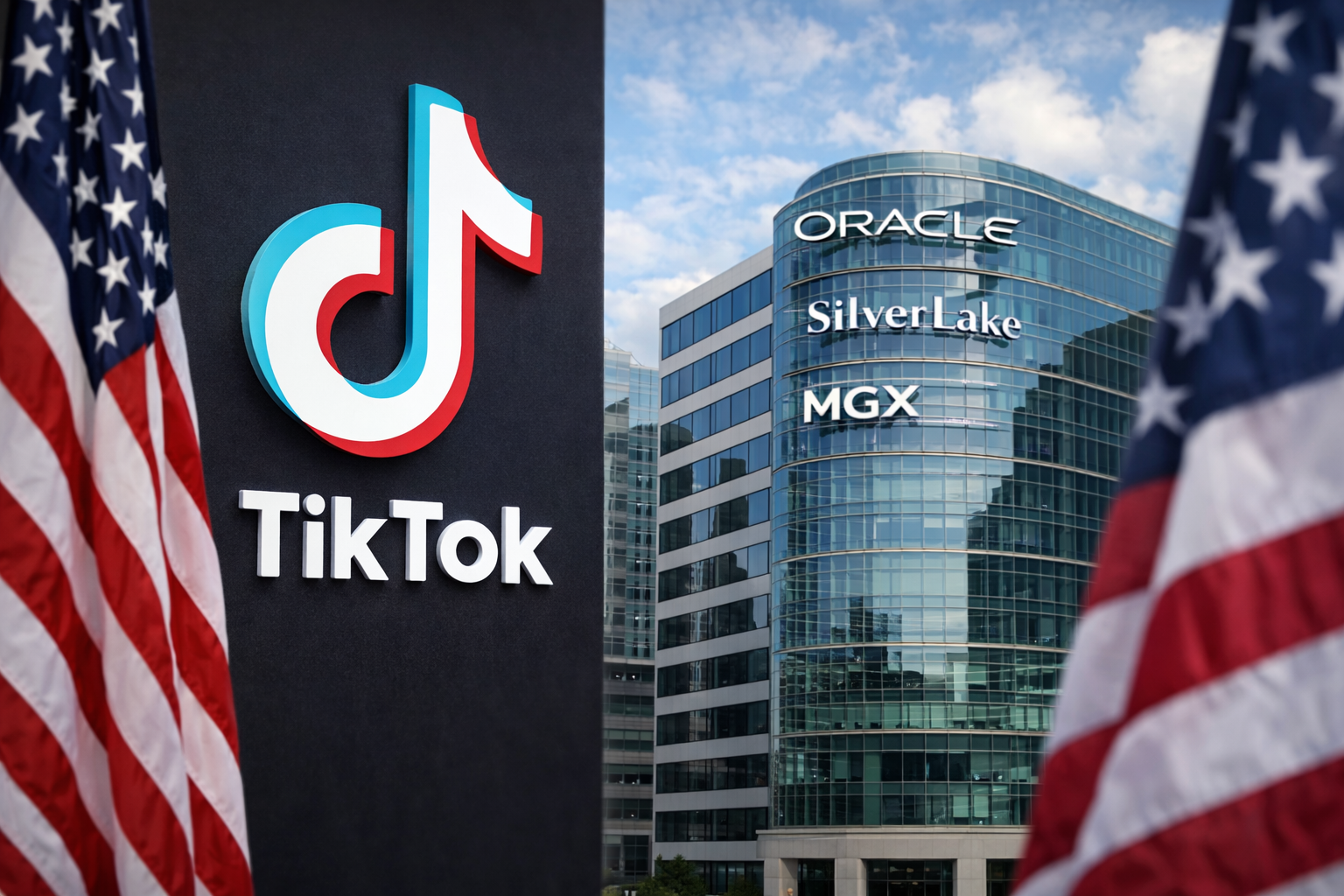
The new entity, known as TikTok U.S., will be owned by a group of American and international investors led by Oracle, private equity firm Silver Lake, and Abu Dhabi-based technology investor MGX. Each of those firms will hold a 15 percent stake. ByteDance will retain just under 20 percent ownership, while additional shares will be held by affiliates of existing ByteDance investors and other backers, including the Dell Family Office, which manages investments for Dell Technologies founder Michael Dell.
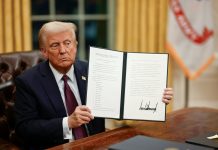
The deal follows months of negotiations after Congress passed legislation requiring TikTok to be sold to U.S. buyers or removed from American app stores over concerns tied to data security and foreign influence. Although the law set a January 2025 deadline, President Donald Trump repeatedly postponed enforcement while talks continued. In September, Trump signed an executive order approving the framework of the transaction and granting the parties additional time to finalize the terms.
TikTok U.S. will operate as a legally separate company with its own leadership and a seven-member board that includes a majority of American executives. TikTok CEO Shou Zi Chew will serve on the board alongside senior figures from Oracle, Silver Lake, MGX, and other investment and technology firms. Adam Presser, who previously led TikTok’s operations and trust and safety teams, has been named chief executive of the new venture.
A central feature of the agreement involves the platform’s recommendation algorithm, which determines what content users see. U.S. officials have long argued that control over this system is essential to addressing security risks. Under the new structure, TikTok’s algorithm for American users will be retrained and updated using U.S. data, with Oracle overseeing its operation inside a domestic cloud environment. Vice President JD Vance said U.S. oversight of the algorithm was a critical element of the deal.
President Trump praised the outcome in a post on his Truth Social platform, describing the transaction as a victory for American investors and thanking Chinese President Xi Jinping for allowing the deal to move forward. Chinese officials responded cautiously, reiterating that any arrangement must comply with Chinese law while respecting business decisions made by companies involved.
Despite the announcement, debate remains in Washington. Lawmakers who have pushed for tougher measures against Chinese technology firms say they will review the agreement closely to ensure it complies with the divestment law. Some policy analysts have questioned whether ByteDance’s continued minority stake and ongoing commercial role could complicate enforcement.
For TikTok’s more than 170 million U.S. users, the deal means uninterrupted access to the app for now. For policymakers, it represents the latest chapter in an ongoing effort to balance national security concerns with the realities of a global technology marketplace.
This image is the property of The New Dispatch LLC and is not licenseable for external use without explicit written permission.