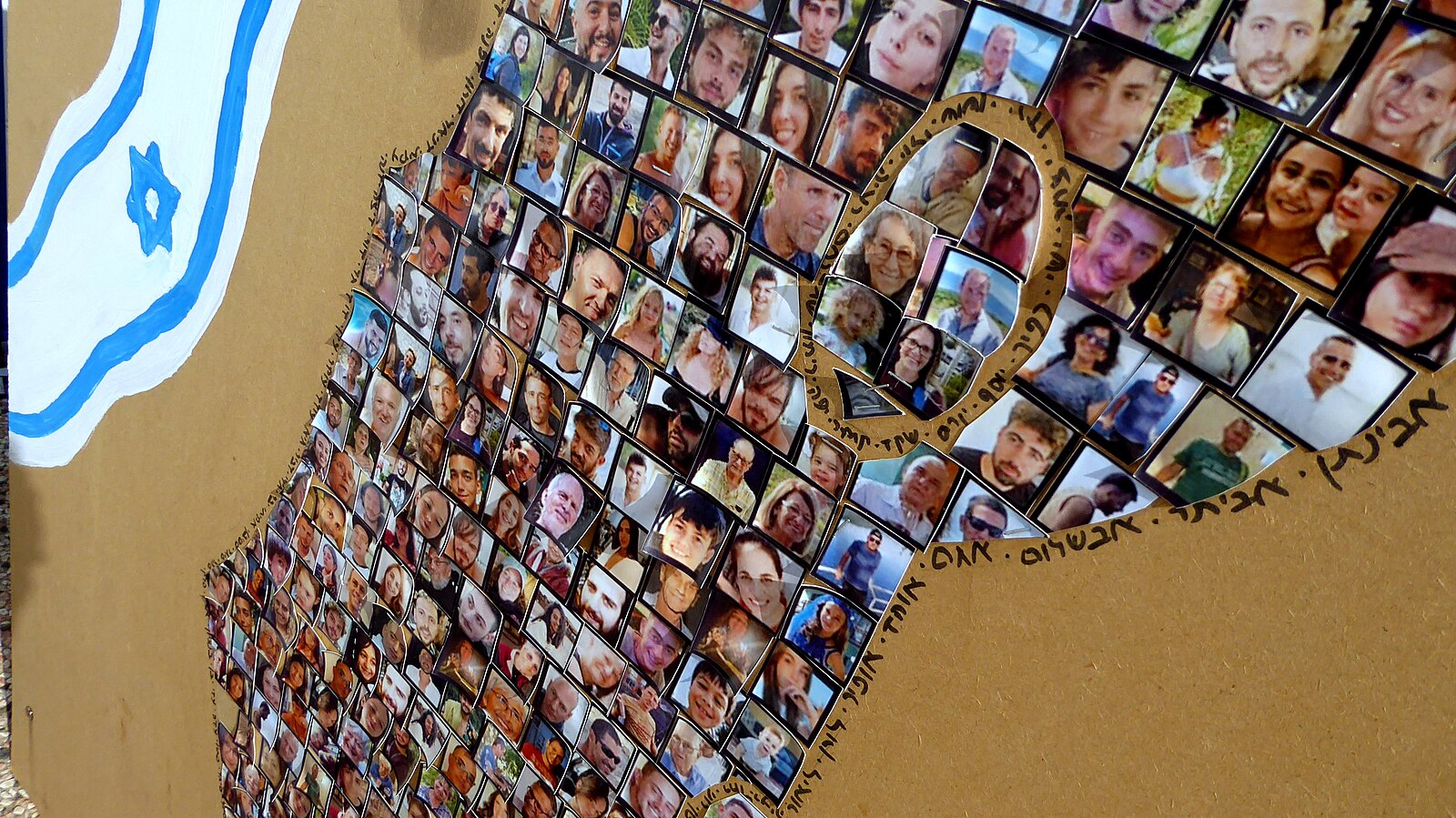
In a day filled with emotion and global anticipation, all 20 surviving hostages held in Gaza have been freed and are now back in Israeli territory as part of a U.S.-brokered peace agreement between Israel and Hamas. The deal, which also includes the exchange of Palestinian prisoners, coincides with President Donald Trump’s visit to Jerusalem, where he addressed the Knesset before heading to a multilateral peace summit in Egypt attended by world leaders from across the globe.
The agreement marks a new phase in efforts to de-escalate one of the deadliest conflicts in recent memory. According to the Gaza Health Ministry, more than 67,000 people have been killed during Israel’s offensive in Gaza, and vast portions of the enclave have been reduced to rubble. Famine has been declared in northern Gaza, while Israel continues to mourn the 1,200 people killed and roughly 250 hostages taken during Hamas’s October 7, 2023, assault.
Hostages Return Home
The first seven freed hostages were flown into Israel early in the morning, followed by 13 more several hours later. The Israeli military confirmed that all living hostages had been handed over by Hamas and were being escorted back under the protection of the Israel Defense Forces (IDF) and Israel Security Agency. “The commanders and soldiers of the IDF salute and embrace the returning hostages as they make their way home,” the military said in a joint statement.
Videos broadcast across Israel showed emotional reunions between hostages and their families. Among them was Elkana Bohbot, 36, who was abducted from the Nova music festival in 2023. His mother, overcome with emotion during a phone call, could be heard saying, “Champion, my sweetheart,” before Bohbot reassured her, “Everything is fine, relax.”
At the Re’im military base, families waited anxiously for helicopters carrying their loved ones. Released hostages such as Eitan Mor and brothers Gali and Ziv Berman were seen embracing IDF soldiers upon arrival. The Berman family, expected to meet President Trump later in the day, was flown to Sheba Medical Center near Tel Aviv for evaluations and reunions.
In Tel Aviv’s Hostages Square, where families have gathered for nearly two years, crowds cheered and waved Israeli flags as the news spread. “We still don’t know what it will look like going forward,” said 30-year-old Pelet, one of many watching the events unfold. “But for now, we’re just grateful for this moment.”
Prisoner Releases and Regional Reaction
In exchange for the hostages, Israel began releasing 250 Palestinian prisoners serving life sentences and more than 1,700 detainees from Gaza. Convoys of buses were seen departing Ofer Prison in the occupied West Bank, where families waited behind security barriers to glimpse relatives returning home. Many of those released were expected to be deported or sent to Gaza, while others would return to their homes in East Jerusalem or Ramallah.
In Ramallah, Palestinian families gathered in a reception hall rather than at checkpoints—part of new Israeli restrictions designed to prevent large public celebrations. “The atmosphere is more tense than joyful,” said one relative, waiting for a cousin jailed for two decades. “But freedom, even for a few, gives people hope.”
The Hamas-run government in Gaza claimed more than 7,000 of its employees were coordinating the reception process, promising to provide “comfort and care for the prisoners and their families.”
Trump’s Address and the Cairo Summit
Shortly after the final hostages crossed back into Israel, President Trump arrived at the Knesset to deliver a speech—his first in the Israeli parliament and the first by a U.S. president since 2008. The chamber filled quickly, with some attendees wearing red caps reading “Trump the Peace President.” The president praised the release of the hostages, telling reporters earlier aboard Air Force One that “every country is dancing in the streets.”
He offered few specifics about the next phase of governance in Gaza but reaffirmed plans for an International Stabilization Force (ISF) and a “Board of Peace” to oversee postwar reconstruction. “It’s going to be a big, strong force,” he said. “People are going to behave; everybody knows their place.”
Later in the day, Trump joined Egyptian President Abdel Fattah El-Sisi, British Prime Minister Keir Starmer, German Chancellor Friedrich Merz, and Canadian Prime Minister Mark Carney at a high-level peace summit in Cairo. Israel’s Prime Minister Benjamin Netanyahu, initially expected to skip the gathering, confirmed attendance shortly before the summit began. Neither Hamas nor Iranian representatives were invited.
Global and Domestic Response
The day’s developments drew cautious optimism from across the political spectrum. Yair Golan, leader of Israel’s Democrats party, called the hostages’ return “a victory of the people,” crediting ordinary citizens who had “never stopped pressuring, hoping, and believing.” In contrast, right-wing voices warned that releasing prisoners convicted of violent crimes could embolden future attacks.
Among families of the released hostages, relief overshadowed politics. The parents of Eitan Mor, who had opposed earlier hostage deals, expressed gratitude in a social media post: “Our beloved Eitan, how much we have waited for you. This is the day the Lord has made known to us, and we will rejoice in it.”
In the West Bank, sporadic clashes were reported outside Ofer Prison, where young Palestinians threw rocks at Israeli vehicles ahead of the prisoner releases. Tear gas was fired to disperse crowds, though no serious injuries were reported.
As helicopters carrying the freed hostages landed in Israel and buses of released prisoners crossed into Ramallah and Gaza, the mood across the region was a complex mix of celebration, relief, and uncertainty. While world leaders gathered in Cairo to chart the next steps, families on both sides were focused on one immediate truth — for the first time in nearly two years, some of their loved ones were finally home.
Image is licensed under the Creative Commons Attribution-Share Alike 4.0 International license and was created by Chenspec.