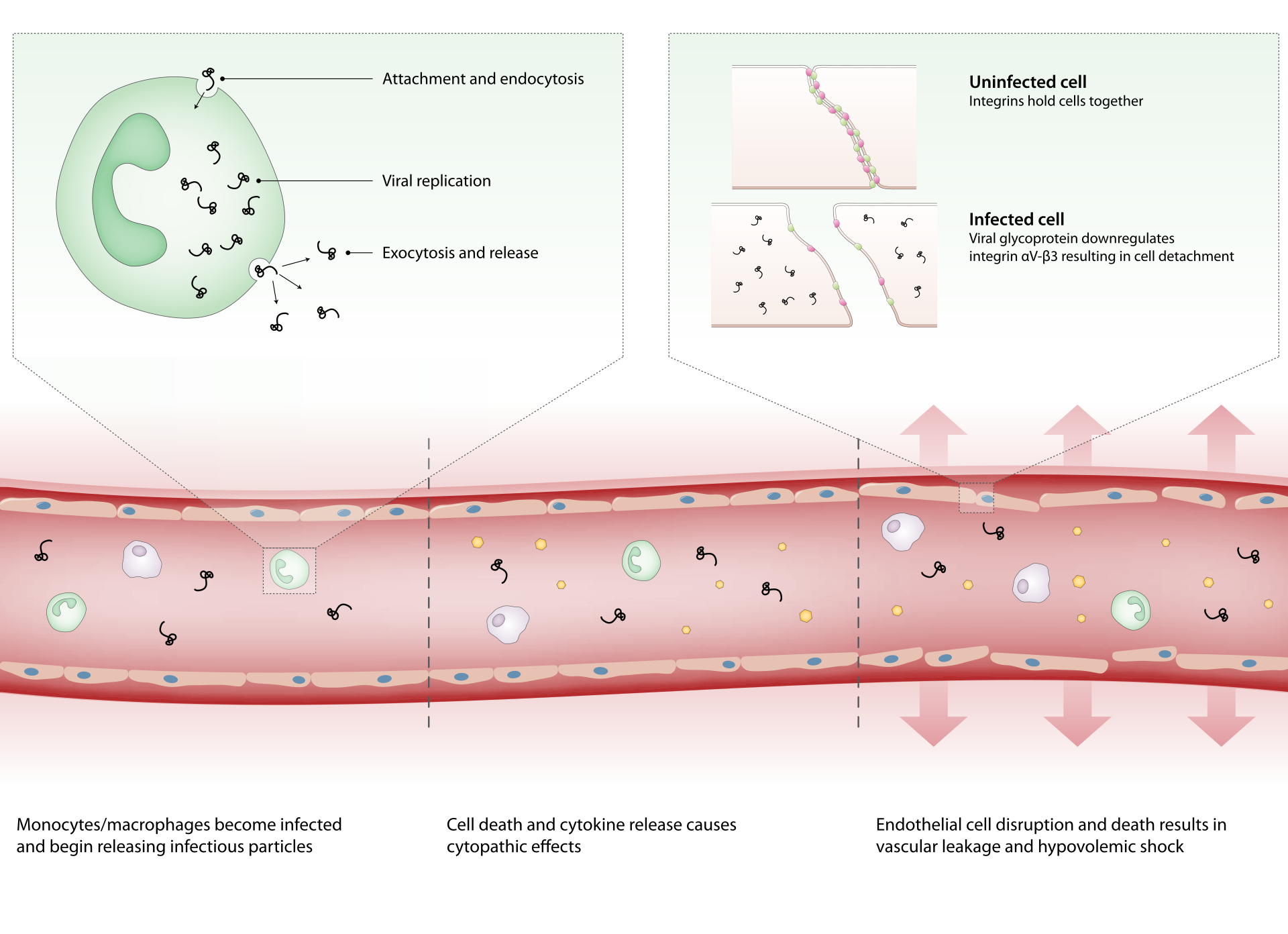
An Ebola outbreak in the Democratic Republic of Congo is spreading at a rapid pace, with thousands of cases reported and more than 2,100 people already dead. Health officials are warning that the outbreak could eventually surpass the West African Ebola epidemic of 2014 to 2016, which killed more than 11,000 people.
More than 4,500 cases have been confirmed as the virus spreads through eastern Congo. The current outbreak has reached its death toll much faster than the earlier West African epidemic, and the World Health Organization has described it as the second-largest Ebola outbreak on record. Cases have also spread into another province.
The outbreak involves the Bundibugyo strain of Ebola, which has made the response more difficult. There are currently no approved vaccines or treatments for this strain, though two vaccines are being tested in people and clinical trials of possible treatments have begun. The strain can kill between one-quarter and one-half of those infected.
Health officials now believe the virus was spreading months before the outbreak was officially declared on May 15. Evidence indicates cases began appearing in February. Early tests were designed mainly to detect the more common Zaire strain of Ebola, and some samples were not correctly identified until they were examined at another laboratory in Kinshasa. That delay gave the virus more time to spread through communities before health officials understood what they were facing.
Conditions in eastern Congo are making containment harder. Medical facilities have shortages of staff and protective equipment, while misinformation and distrust have kept some patients from seeking care. Some frontline health workers have also walked off the job after going months without pay.
Many people are not reaching hospitals until their illness is already advanced. The United Nations reported that between 60 and 70 percent of Ebola deaths are happening within communities rather than medical facilities. Some patients arrive too late for care, while others cannot reach treatment at all.
Ongoing fighting in the region adds another problem. Violence involving Rwandan-backed groups and the Congolese military has made it harder for health workers to reach communities and for sick people to travel to medical facilities. The affected area also has weak infrastructure and health centers that are not always equipped to handle the growing number of patients.
Health workers face especially high risks because Ebola spreads through close contact with bodily fluids. Limited protective equipment and the wide range of symptoms can make it difficult for workers to immediately recognize an infected patient. That means medical staff may be exposed before they know they are treating someone with Ebola.
The WHO expects the outbreak could reach its peak in about six months under a moderate projection. Another possible scenario would see it continue for nine months to a year. Researchers are also testing two vaccines designed specifically for the Bundibugyo strain, while health officials are studying whether an existing Ebola vaccine could provide some protection against it.
Image is licensed under the Creative Commons Attribution-Share Alike 3.0 Unported license and was created by T4taylor.