Egypt has introduced a series of temporary measures aimed at reducing energy consumption and easing financial pressure as rising fuel costs strain the economy. The policies come in response to disruptions linked to the ongoing conflict involving Iran, which has affected global oil and gas flows and driven up prices for countries dependent on imports.
Prime Minister Mostafa Madbouly announced that the government will scale back work on large state projects that require heavy use of diesel and fuel for at least two months. In parallel, fuel allocations for government vehicles will be reduced by 30 percent. These steps are designed to cut back on domestic fuel use at a time when import costs have surged sharply.
The government is also implementing changes to working arrangements. Public sector employees, along with many in the private sector, will work remotely on Sundays throughout April. Authorities have indicated that this policy could be extended or expanded if the regional conflict continues. Essential services such as healthcare, utilities, and manufacturing will remain unaffected to avoid disruption to critical operations.
In addition to workplace adjustments, Egypt has imposed restrictions on business hours. Shops, restaurants, and cafes are required to close by 9 p.m. for a period of one month. Street lighting has been reduced and illuminated advertising boards have been switched off to conserve electricity. However, hotels and tourist sites are exempt from these rules, reflecting the importance of tourism, which accounts for a sizable share of the country’s economic activity.
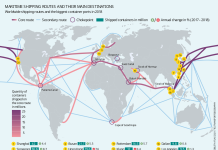
The measures follow a sharp increase in Egypt’s energy import bill. Officials reported that monthly petroleum costs more than doubled between January and March, reaching approximately $2.5 billion. This spike has been linked to reduced energy flows through key routes such as the Strait of Hormuz, where shipping has been disrupted amid rising tensions. With around a fifth of global oil and gas typically passing through that corridor, any interruption has wide-reaching consequences.
Although Egypt is not directly involved in the conflict, its reliance on imported fuel has left it exposed to global market shifts. The government has already raised fuel and public transportation prices in an effort to manage the fiscal burden. Even so, leaders emphasize that price increases alone cannot address the challenge, and reducing consumption has become a central priority.
Madbouly described the approach as a balance between managing costs and maintaining economic activity. While efforts are being made to curb energy use, authorities are keen to ensure that industrial production continues and that essential services remain stable.
At the same time, the government has signaled plans to support citizens through the economic strain. Discussions are underway بشأن raising the minimum wage and increasing spending on healthcare and education in the upcoming fiscal year. Finance Minister Ahmed Kouchouk added that debt servicing costs are expected to rise modestly, by about 5 percent, despite broader pressures on the budget.
Officials stress that these policies are temporary and will be reviewed as conditions evolve. Their immediate goal is to stabilize energy consumption and shield the economy from further shocks while awaiting improvements in global supply conditions.
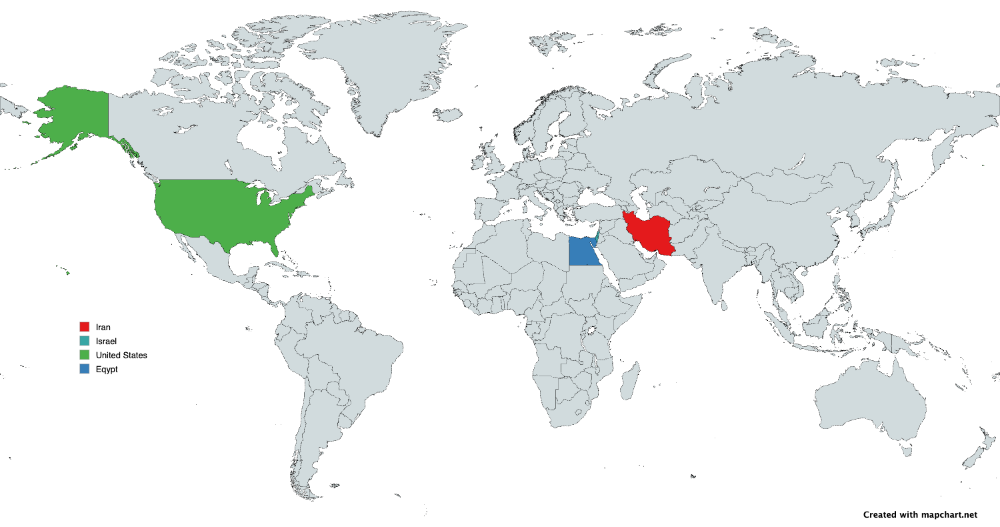
USA = Green
Iran = Red
Israel = Teal
Eqypt = Blue
Image is licensed under the Creative Commons Attribution-Share Alike 4.0 International license and was created using MapChart (https://mapchart.net).