US President Donald Trump has announced a new trade agreement with Indian Prime Minister Narendra Modi that will sharply reduce American tariffs on Indian goods, easing months of tension between the two countries. Under the deal, US duties on Indian imports will fall to 18%, down from a peak of 50%, after New Delhi agreed to halt purchases of Russian oil and lower trade barriers for US products.
Trump revealed the agreement in a post on Truth Social following a phone call with Modi, saying India would reduce both tariffs and non-tariff barriers on American goods to zero. He added that India committed to buying more than $500bn worth of US products, spanning energy, agriculture, technology, and coal. Trump also said India would increase oil purchases from the United States and could turn to Venezuela as an additional supplier.
Modi responded on X by welcoming the deal and thanking Trump on behalf of India’s 1.4 billion people. He described the agreement as beneficial for both democracies and said closer economic cooperation would create new opportunities for trade and investment. India’s trade minister, Piyush Goyal, echoed that view, arguing the deal would support farmers, small businesses, and skilled workers while improving access to American technology.
The announcement comes after a turbulent period in US–India trade ties. Last August, Washington imposed tariffs of up to 50% on Indian goods, the highest applied to any Asian country, including a 25% penalty linked directly to India’s continued imports of Russian oil. Those measures weighed heavily on Indian exports to the US and contributed to capital outflows from Indian markets. A White House official confirmed that the oil-linked penalties will now be removed as part of the agreement.
Financial markets reacted positively. US-listed shares of major Indian companies rose, and American stock indexes edged higher after the news broke. Analysts said the lower tariff rate brings India closer to the levels faced by other Asian exporters and could help stabilise India’s currency while restoring confidence among investors.
Still, the deal has drawn criticism in the United States. The business group We Pay the Tariffs, which represents hundreds of small companies, argued that an 18% tariff remains far higher than the 2% to 3% rates paid before Trump’s trade actions. Its director, Dan Anthony, said the agreement amounts to a long-term tax increase for American importers rather than meaningful relief.
The timing is also important. Less than a week earlier, India reached a sweeping trade agreement with the European Union after nearly two decades of negotiations, cutting duties on most goods traded between India and the bloc. Some analysts view the US deal as Washington’s response to Europe’s progress with New Delhi.
Many details of the US–India agreement remain unclear, including when the new tariff rates will take effect and how quickly India will phase out Russian oil. Even so, the announcement signals a reset in relations between two major economies, linking trade policy with broader goals on energy and geopolitics.
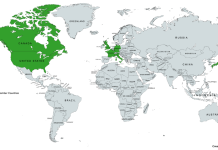
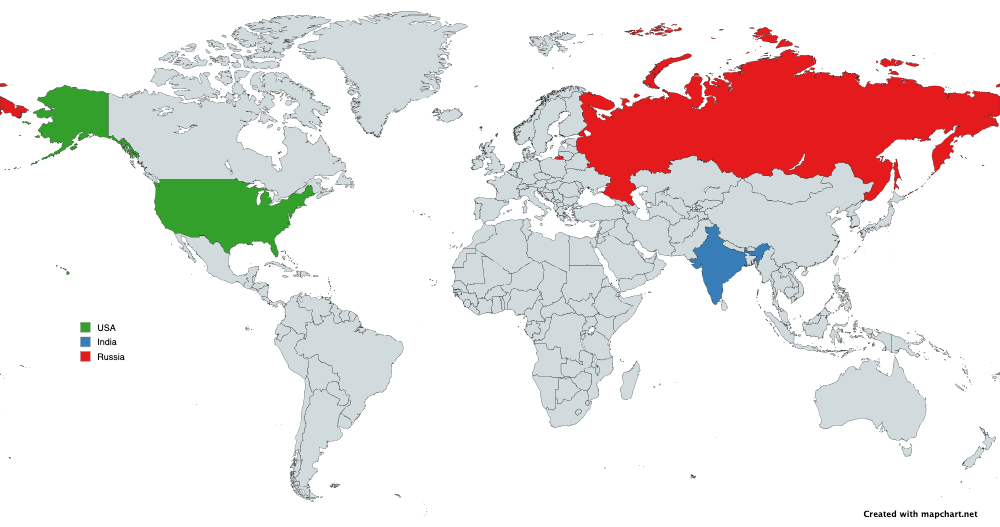
USA = Green
India = Blue
Russia = Red
Image is licensed under the Creative Commons Attribution-Share Alike 4.0 International license and was created using MapChart (https://mapchart.net).