A cluster of large fraud prosecutions in Minnesota has drawn sharp national attention, igniting political battles in Washington and raising tensions within the state’s Somali American community. What began as a complex investigation into misuse of pandemic era food aid has evolved into a broader clash over immigration, public oversight, and political rhetoric.
The most high profile case involves Feeding Our Future, a nonprofit that served as a sponsor for sites distributing federally funded meals during the COVID 19 crisis. Prosecutors say the organization and its partners submitted fabricated meal counts and invoices, collecting hundreds of millions of dollars meant for children. Dozens of people have been charged or convicted, including founder Aimee Bock. One defendant even admitted to attempting to bribe a juror with a bag containing $120,000.
State oversight has also come under fire. A review by Minnesota’s Office of the Legislative Auditor concluded that the Department of Education ignored warnings and slowed its response because it feared legal challenges and accusations of bias. The agency’s hesitancy, investigators said, allowed misuse of funds to spread.
Other cases have surfaced as well. Federal prosecutors charged eight people in a Medicaid housing program with submitting inflated or fake reimbursement requests. Another case involved an autism services provider accused of hiring unqualified workers, falsifying treatment records, and paying parents to enroll their children. A defendant in that case, Asha Farhan Hassan, was also charged in connection with Feeding Our Future.
These cases have prompted sweeping statements from federal officials. Acting US Attorney Joseph Thompson described the fraud landscape in Minnesota as an interconnected web draining public programs. Republican leaders in Congress have opened inquiries into Governor Tim Walz’s handling of oversight, questioning whether the state acted quickly enough.
Tensions escalated further when the Treasury Department said it would examine unverified allegations that fraud proceeds may have reached al Shabaab. Multiple investigators, however, have said they have found no evidence that taxpayer money was funneled to the group.
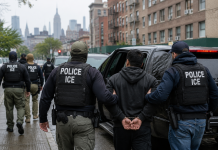
No part of the story has generated as much controversy as the political response. President Donald Trump has made the Minnesota fraud cases a centerpiece of his attacks on Somali immigrants, using language that state leaders, community advocates, and civil rights groups describe as inflammatory and dangerous. His remarks coupled with stepped up immigration enforcement in Minneapolis have heightened fear within Somali neighborhoods and prompted public demonstrations of support from local officials.
Minnesota is home to the largest Somali population in the country, with deep roots and broad civic involvement. Many community members say they feel unjustly blamed for crimes committed by a small group of individuals. Local leaders stress that those accused should be prosecuted, but reject attempts to stigmatize an entire community.
Governor Walz, under political pressure for the state’s oversight missteps, has insisted Minnesota is moving aggressively to crack down on fraud while also rejecting rhetoric that targets immigrants. “Indiscriminately blaming entire groups is not a solution,” he said.
For Somali Americans who fled war and built new lives in Minnesota, the current climate is especially painful. Yet many community members say they remain committed to their home state and determined not to be defined by the crimes of a few.
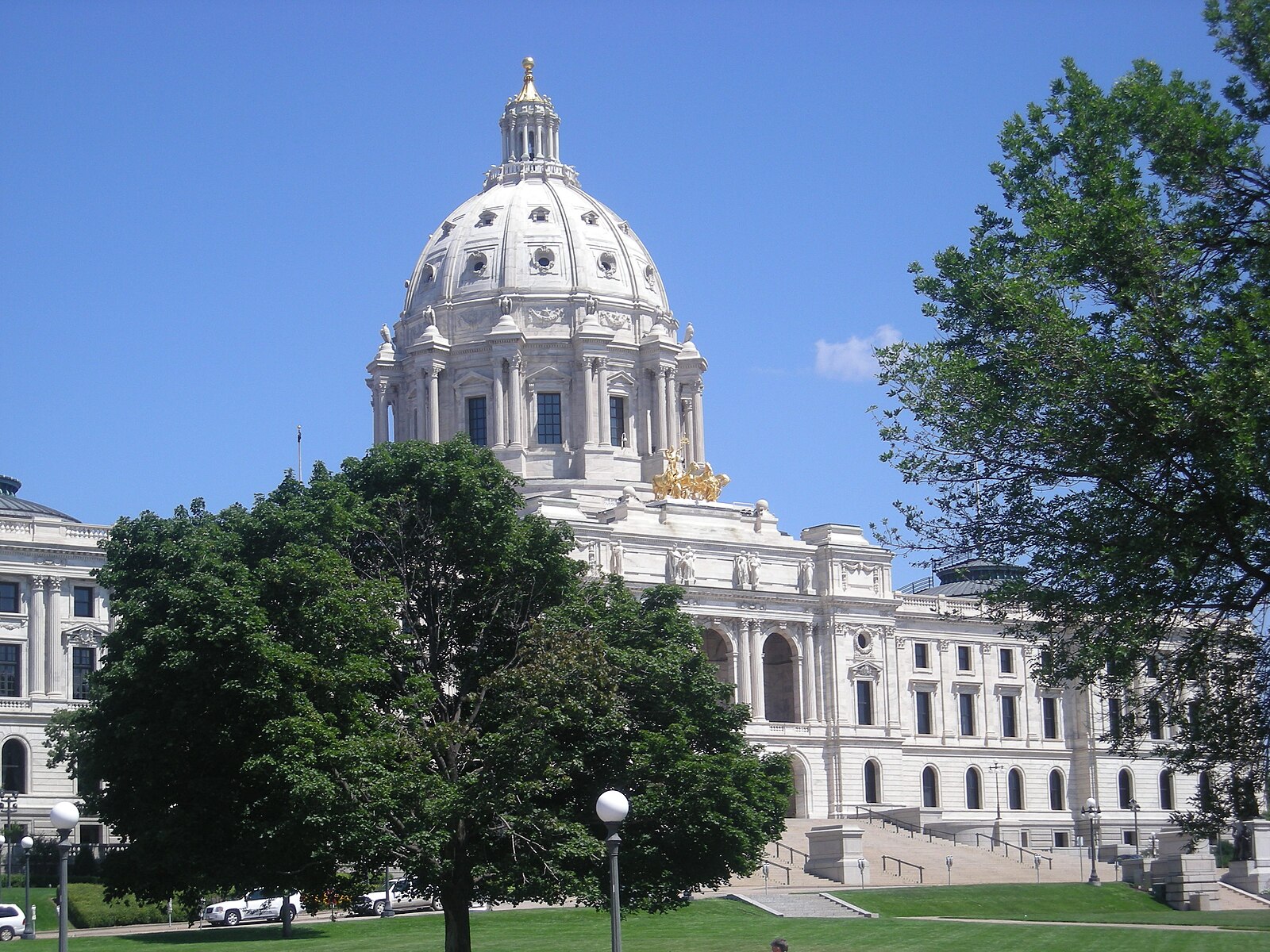
Image is licensed under the Creative Commons Attribution-Share Alike 4.0 International license and was created by Michael Barera.